

Category: Greening Sanjeevi Hills
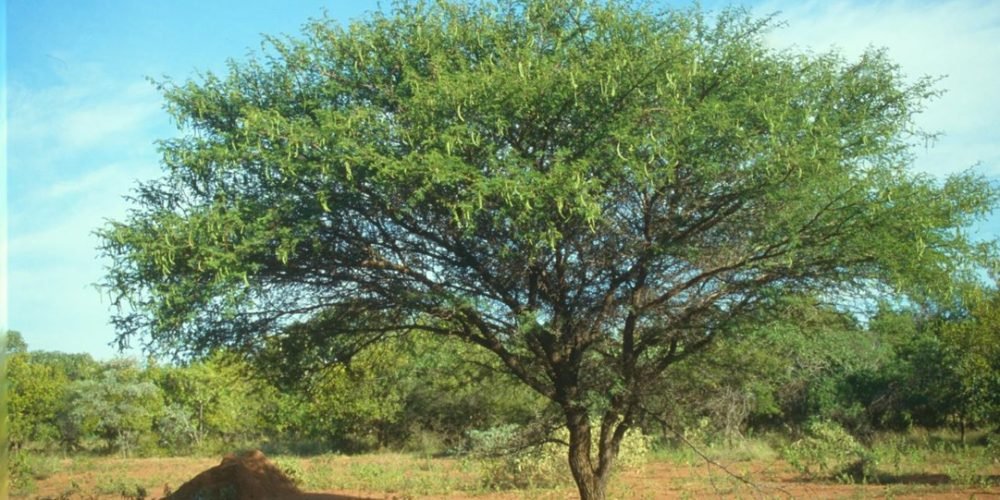
This photo captures a native Acacia tree at Sanjeevimalai, a true survivor of the dry lands. Acacias take root in arid soil, thriving where many other trees cannot. Their deep roots reach far beneath the surface in search of water, anchoring the soil and preventing erosion even during strong winds. When rains fail and crops wither, the Acacia remains green, resilient, and steadfast.
The tree is a haven for life. Birds, insects, and grazing animals find shelter beneath its thorny branches. During the flowering season, bees swarm around it to collect nectar, and the sweet fragrance of its blooms blends with the surrounding nature, soothing the mind. Its leaves enrich the soil, while its seed pods serve as nourishing fodder for livestock. Its strong wood is used thoughtfully for making tools and fuel, and its twigs have traditionally been used for brushing. The tree even has medicinal properties, making it an invaluable part of the ecosystem.
Once common around water bodies, Acacia trees are now steadily declining. A major reason is the mistaken belief that all thorny trees are harmful and should be removed. This misconception largely arises due to the invasive Seemai Karuvelam (Prosopis juliflora), which has spread aggressively across drylands. Unlike the native Acacia, Seemai Karuvelam has longer, darker thorns and a more tangled growth pattern. Its leaves are narrower and feathery, while Acacia leaves are smaller, delicate, and paired. Being able to recognize these differences is crucial to protecting native trees. Awareness and understanding can help ensure that the Acacia continues to thrive, preserving its vital role as a guardian of the dry land.
