

Botanical Team Identifies Invasive Plant Species in Streams Originating from Sanjeevi Hills
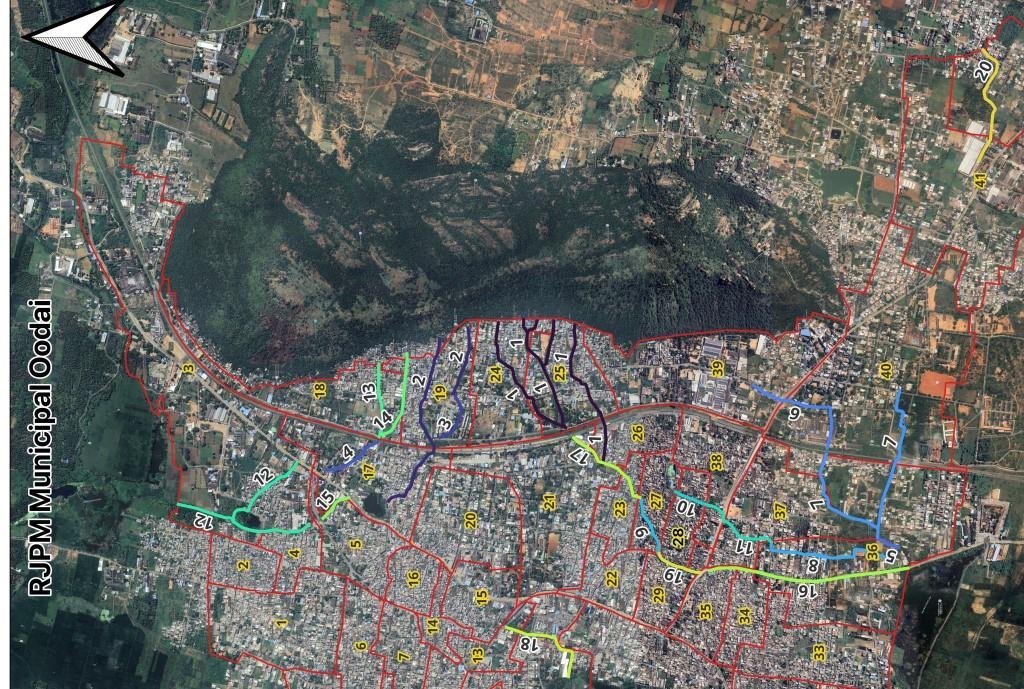
Category: Water Body Restoration A botanical team from Ramco Community Services recently conducted a field study of streams originating from Sanjeevi Hills and flowing through different parts of Rajapalayam city, to document the floral diversity present along the streams, assess the presence of native and invasive species, and understand their ecological impact on freshwater ecosystems […]
Ātmaprasāra Helps Young Minds Cope with Emotional and Academic Pressures

Category: Mental Health Growing emotional distress among school and college students is emerging as a significant concern, with counsellors at Ātmaprasāra observing a steady rise in the number of young people seeking help for anxiety, addiction, family conflicts, loneliness, and academic pressure. The counselors have been addressing these issues through emotional support, counselling, and behavioural […]
Rajapalayam Municipality’s ‘Use Cloth Bags’ Campaign
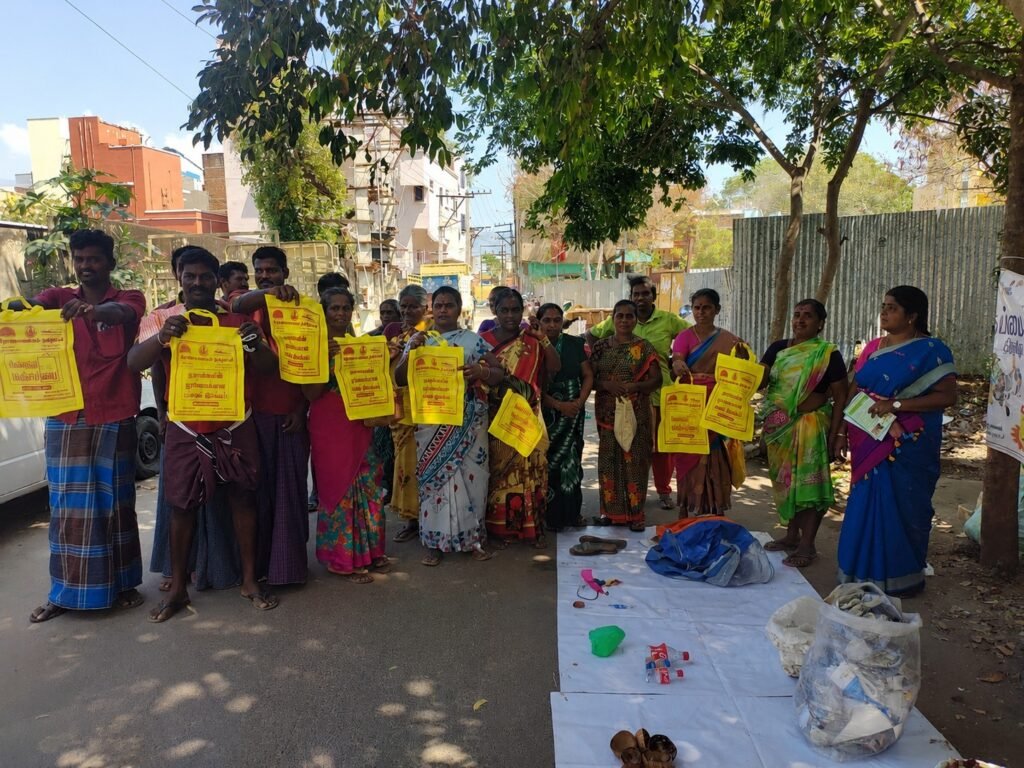
Category: Solid Waste Management In an effort to promote a cleaner and more sustainable environment, Rajapalayam Municipality has been organising “Cloth Bags” awareness campaigns across the town, urging residents to move away from single-use plastics and adopt eco-friendly alternatives in their daily lives. The awareness drives include door-to-door campaigns, market outreach programmes, school awareness events, […]
UNEP Officials Address Awareness Programme on Cool Roof Initiative
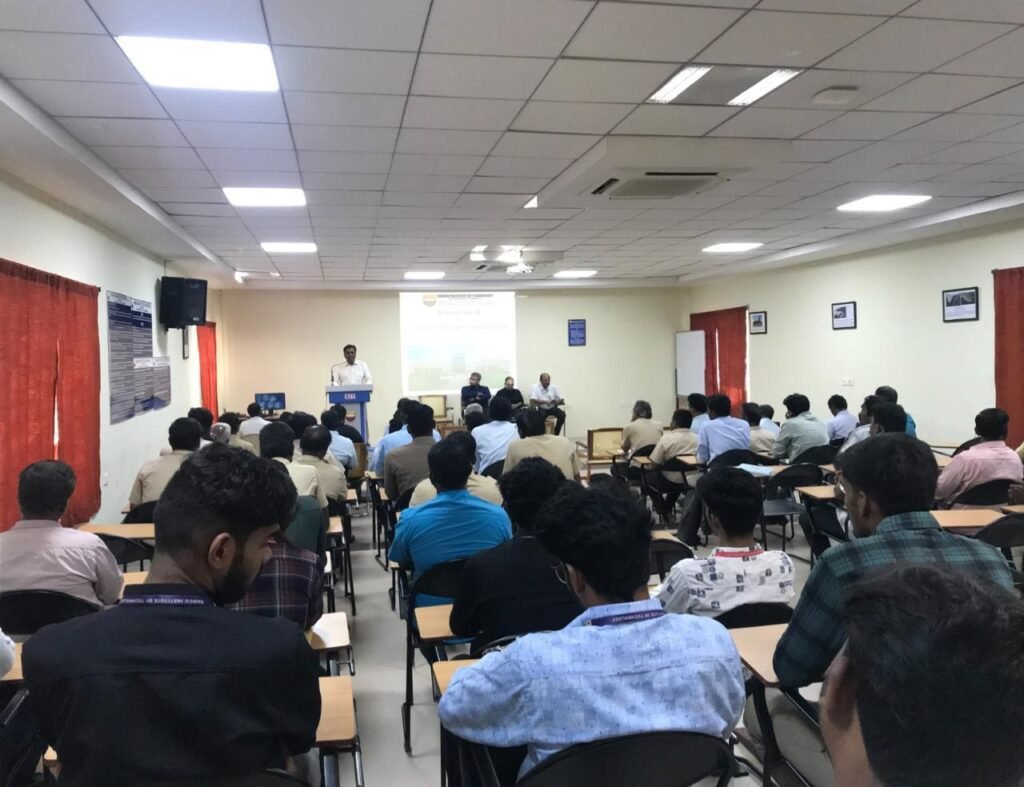
Category: Town Planning Officials from the United Nations Environment Programme (UNEP) addressed an awareness programme on the Cool Roof systems, highlighting the need for sustainable measures to reduce heat stress in buildings and schools. The programme, held at the Ramco Institute of Technology recently, brought together more than a hundred civil engineering professionals, faculty members, […]
Wild Medicinal ‘Kaattu Sundai’ Thrives Around Sanjeevi Malai
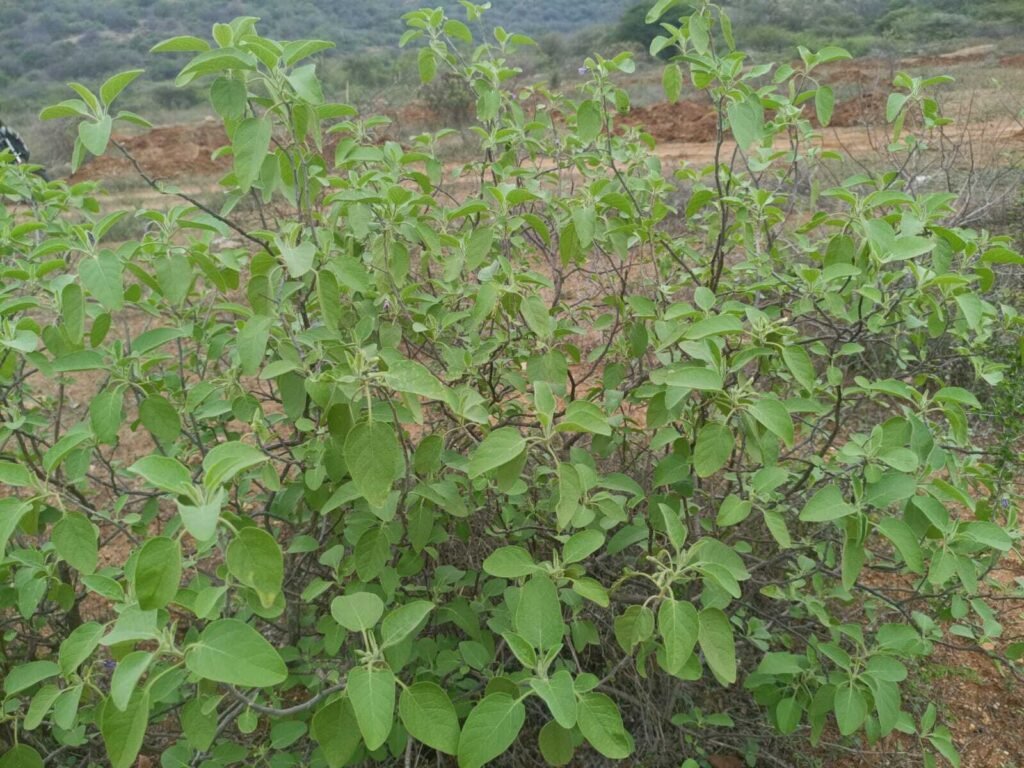
Category: Greening Sanjeevi Hills Hidden among the dry scrublands and rocky foothills surrounding Sanjeevi Malai is a little-known native medicinal shrub that has long been valued in traditional rural life, Solanum pubescens, locally known as Kaattu Sundai or Kattu Sundaikkai. Belonging to the nightshade family (Solanaceae), the wild shrub is commonly seen in Tamil Nadu […]
Recycled Water Keeps Kothankulam Kanmai Alive Through Summer
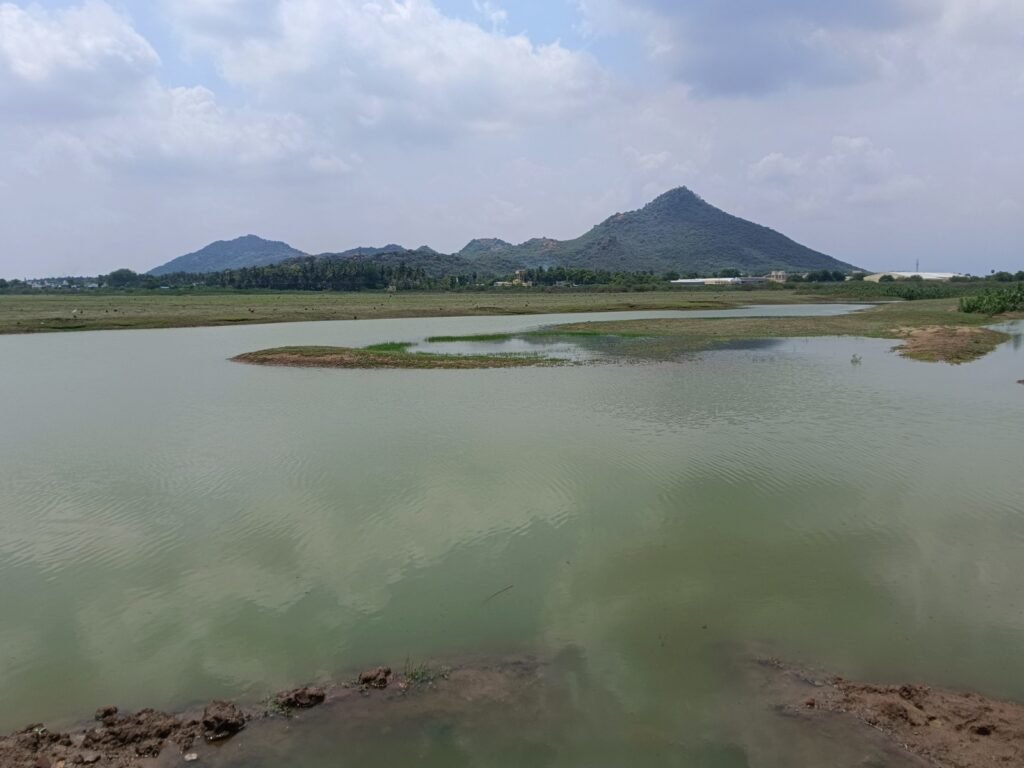
Category: Water Body Restoration At a time when most irrigation tanks in and around Rajapalayam have gone dry under the harsh summer heat, Kothankulam Kanmai has managed to retain substantial water throughout the season, thanks to a continuous inflow of treated recycled water from the city’s Sewage Treatment Plant (STP). The year-round availability of water […]
Ramco Nursery Leads Efforts to Preserve Rare Native Flora
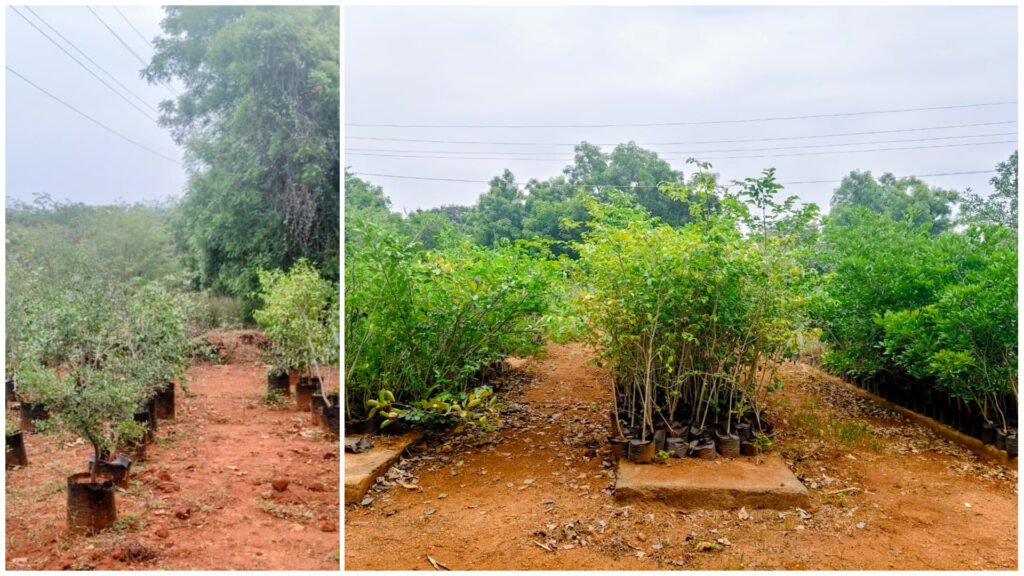
Category: Carbon Neutrality Ramco Nursery in Rajapalayam houses more than 125 species of native and rare plants, including evergreen and drought-resistant trees, cactus varieties, ferns, shrubs, creepers, climbers, herbal plants, ornamental species, and flowering plants. Established with the objective of protecting indigenous biodiversity, the nursery focuses on conserving rare flora species through large-scale propagation and […]
Ramco Nursery Propagates Native Fruit-Bearing Species for Biodiversity Conservation
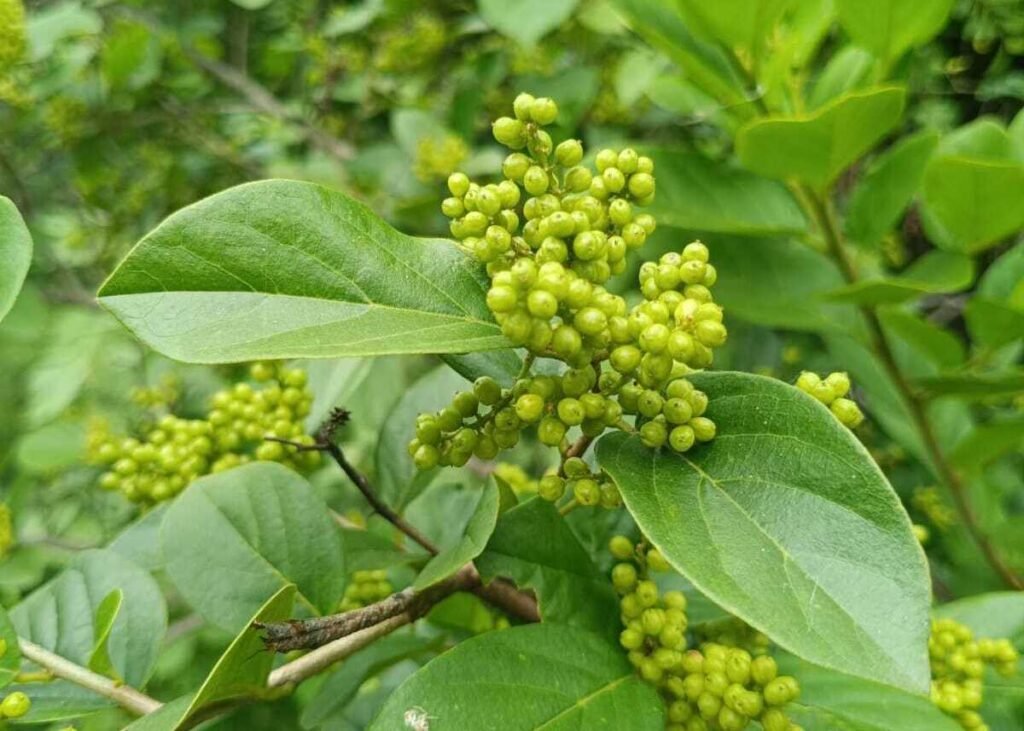
Category: Carbon Neutrality The Ramco Nursery has initiated the propagation of Antidesma ghaesembilla, a lesser-known native species valued for its ecological importance, attractive fruits, and pollinator-friendly flowers. Nursery staff first observed the species at the botanical garden area of Auroville Botanical Gardens, where the plant stood out for its beautiful flowering clusters and soft fragrance […]
Ramco Nursery Takes Up Seed Sowing Activity for Hardwickia binata
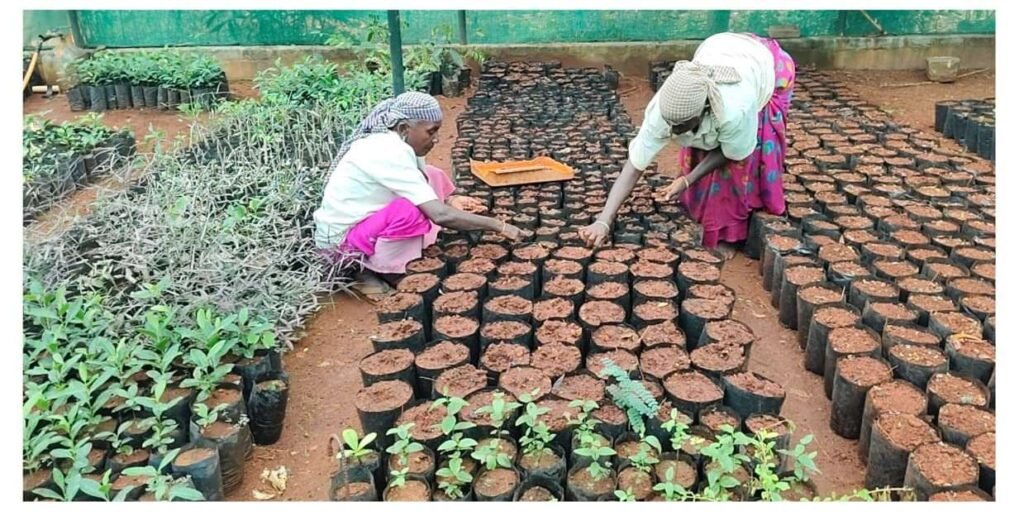
Category: Carbon Neutrality Ramco Nursery has initiated a seed sowing activity for Hardwickia binata, a hardy native tree species known for its ecological importance and adaptability to dry climatic conditions. Hardwickia binata is a medium to large-sized deciduous tree species widely valued for its resilience and suitability for afforestation and social forestry initiatives. The species […]
Sanjeevi Malai in Rajapalayam Protected Through Network of Check Dams
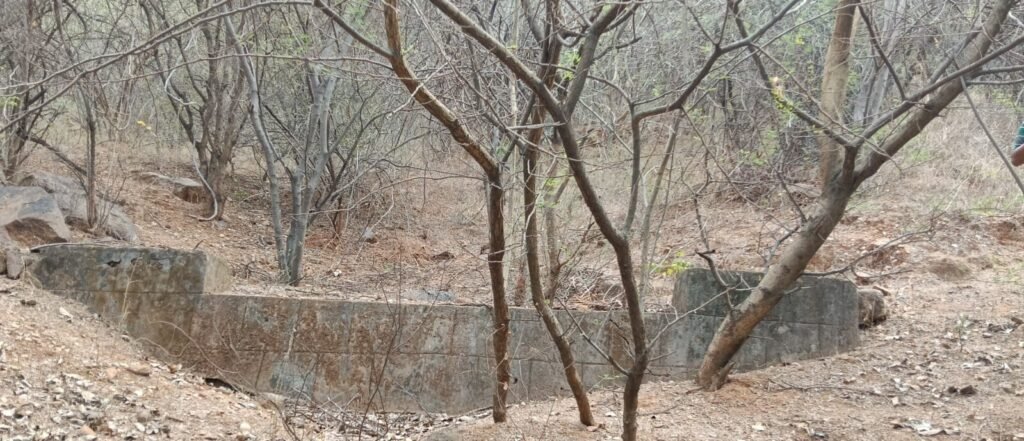
Category: Greening Sanjeevi Hills Sanjeevi Malai, one of the prominent hill formations and ecological landmarks of Rajapalayam, is supported by an extensive network of check dams constructed to conserve water, reduce runoff, and prevent soil erosion across the hill slopes. Located on the eastern side of Rajapalayam, Sanjeevi Malai itself covers about 222.74 hectares and […]
