

Category: Greening Sanjeevi Hills
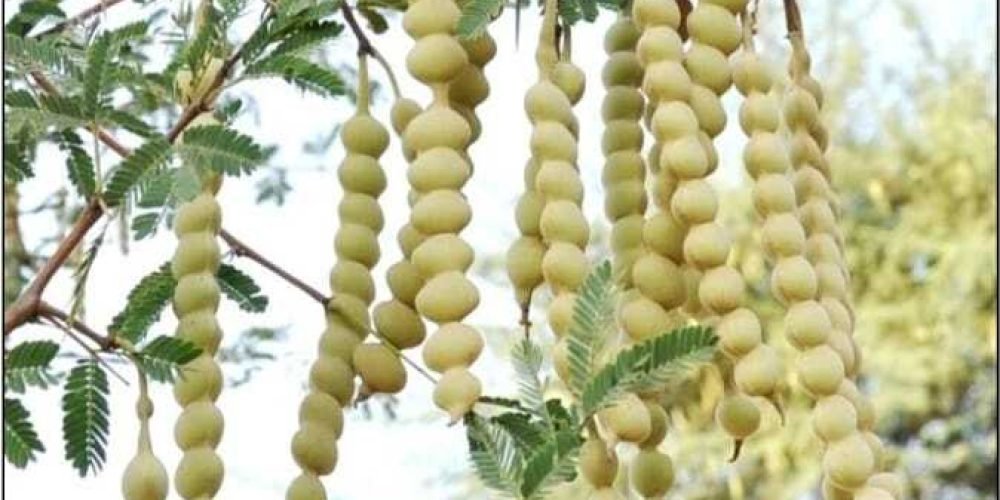
This photo, taken at Sanjeevi Hills, features Babul, also known as the Indian Gum Arabic Tree or Egyptian Thorn. It is a remarkable tree species well adapted to dry and semi-arid regions. Botanically known as Vachellia nilotica, it belongs to the legume family (Fabaceae) and is native to India, Africa, and parts of the Middle East.
Commonly found along roadsides, farmlands, riverbanks, and open scrub forests, Babul is easily identified by its bright yellow, round, ball-shaped fragrant flowers. Its long, narrow seed pods are another distinctive feature that makes it stand out in the landscape.
Beyond its visual appeal, Babul plays a crucial ecological role. As a nitrogen-fixing tree, it enriches the soil and improves fertility, making it valuable in degraded and dry lands. Its flowers attract honey bees and other pollinators, while its leaves and pods serve as nutritious fodder for cattle and goats. The tree also helps prevent soil erosion, thanks to its deep root system that firmly anchors the soil in arid conditions.
Babul is not only environmentally significant but also economically and medicinally important. Its bark is used in traditional medicine to treat cough, diarrhea, and wounds. The gum extracted from the tree is widely used in the food and pharmaceutical industries. Highly drought-resistant and tolerant of saline and poor soils, Babul survives and thrives where many other species struggle.
In many ways, Babul is a symbol of resilience – quietly supporting ecosystems, livestock, and livelihoods in some of the harshest environments.
