

Category: Culture
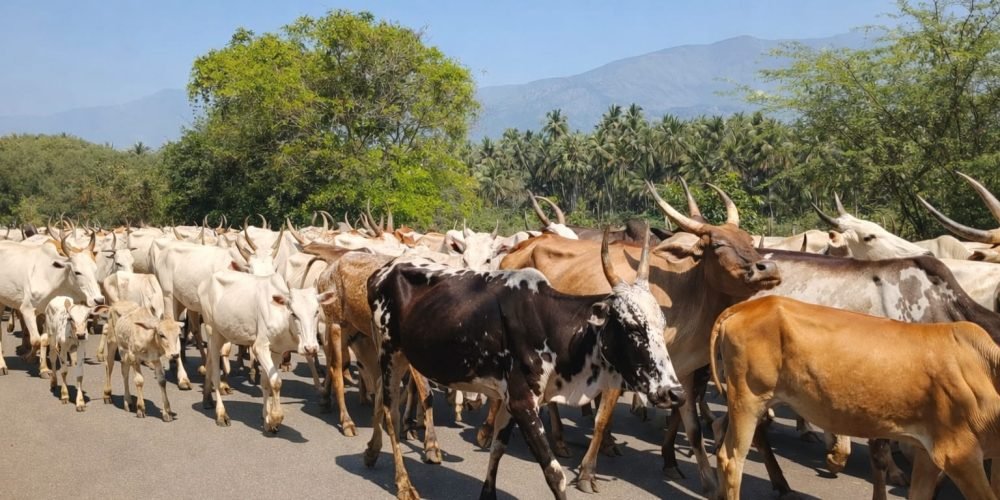
Native cattle possess qualities that make them remarkably resilient: high tolerance to heat, the ability to walk long distances, survival on minimal feed, strong resistance to diseases, and a long lifespan of about 15-20 years. These characteristics make them well suited to traditional and sustainable farming systems.
One traditional practice closely linked with native cattle is the Kidai system. In this method, herds of 200-400 cattle are kept overnight in harvested fields. Usually, one or two nights per acre is sufficient. Temporary fencing is arranged for safety. During the night, the cattle naturally fertilise the land with dung and urine, enriching the soil and improving crop productivity. Long before chemical fertilisers became common, farmers relied on this ecological method to maintain soil health.
Behind these practices are pastoral communities whose knowledge of land, seasons, and livestock has been passed down through generations. Recognising their importance, the United Nations has declared 2026 the International Year of Rangelands and Pastoralists, highlighting the global role of pastoral communities in sustaining grasslands, biodiversity, and traditional livelihoods.
The gentle movement of cattle along the Western Ghats is therefore a living heritage that connects land, people, and centuries of wisdom.
