

Category: Solid Waste Management
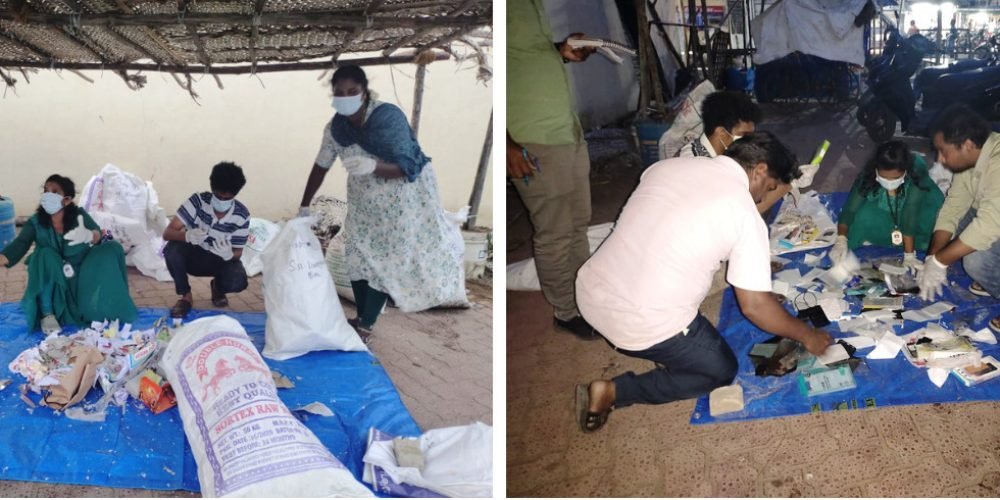
The Shrishti Environment & Livelihood Foundation team recently conducted a comprehensive waste assessment and waste quality study at AKDR Market, the city’s oldest and largest trade centre, to understand the quantity and composition of waste generated by different types of shops operating within the market.
Home to more than 250 active shops, AKDR Market accommodates a diverse range of commercial establishments, including vegetable and fruit vendors, flower sellers, grocery stores, cloth merchants and pooja item shops. Since each category generates a distinct mix of organic and recyclable waste, the survey was designed to capture these variations and provide a scientific basis for improving waste management practices.
As part of the study, representative shops from every business category were selected for detailed waste sampling and analysis. The team measured the quantity of waste generated daily, classified it into wet and dry fractions, and identified recyclable and non-recyclable materials. The exercise also documented the differences in waste generation patterns across various sections of the market.
The findings are expected to help design more effective source segregation practices and category-specific waste handling systems that are better suited to the needs of individual businesses. The data will also support the planning of improved collection, recycling and processing mechanisms, reducing the volume of waste sent for disposal.
According to the Shrishti team, understanding waste generation at the source is essential for building an efficient and sustainable solid waste management system. Markets such as AKDR, with their diverse commercial activities and high daily footfall, present unique challenges that require evidence-based planning rather than uniform solutions.
