

Category: Culture
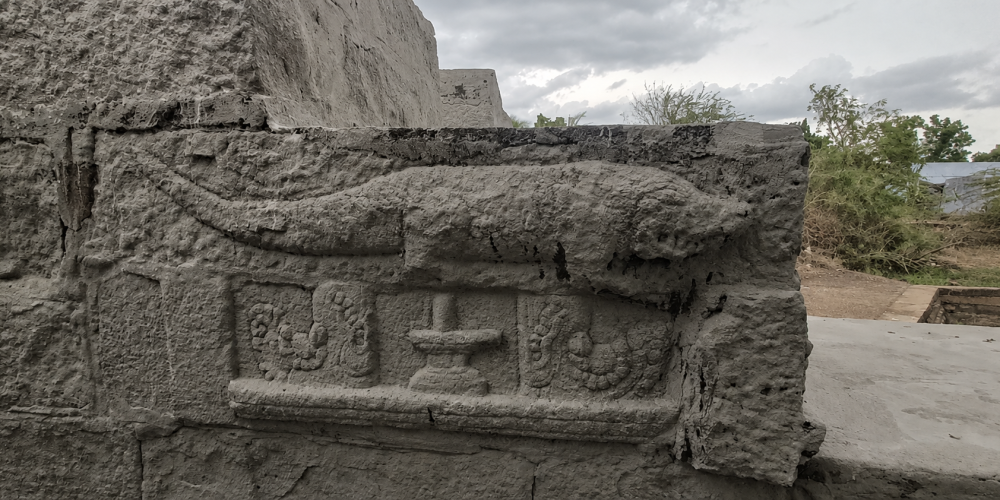
A centuries-old irrigation structure at Pudhukkulam Kanmai, one of the oldest traditional water bodies in the Rajapalayam region, stands out for its intricate stone carvings depicting animals, flowers and religious motifs.
The structure, known as a madai, is part of the traditional system used to manage water in the kanmai. Unlike a sluice used to release stored water for irrigation, this madai serves as an outlet for surplus water when the kanmai reaches its full capacity. When the water level rises beyond the permissible limit, excess water is allowed to flow through the madai and is carried through a channel to downstream water bodies.
What makes the madai at Pudhukkulam particularly remarkable is that a structure designed for a practical purpose has been embellished with an array of artistic carvings. The stonework features representations of a crocodile, fish, peacock, dancing woman, flowers and a Shiva Linga, bringing together motifs from nature, everyday life and religious tradition.
The structure is believed to be around 150 to 300 years old, reflecting the long history of traditional water management in the region. The madai formed an important component of the interconnected network of kanmais, through which excess water from one water body could be safely channelled to another.
Traditional kanmai systems were designed not merely to store rainwater but also to regulate its movement. Sluices enabled the controlled release of stored water for irrigation, while structures such as madais and surplus outlets helped prevent tanks from overflowing during periods of heavy rainfall. The excess water could then be conveyed through channels to other water bodies, allowing the larger system to conserve and distribute water across the landscape.
The artistic detailing on the Pudhukkulam madai adds another dimension to this traditional engineering system. The carvings suggest that even structures built primarily for water management were given aesthetic and cultural significance. The madai therefore represents both the engineering knowledge and artistic traditions of the communities that developed and maintained the region’s historic kanmai system.
