

Category: Environment
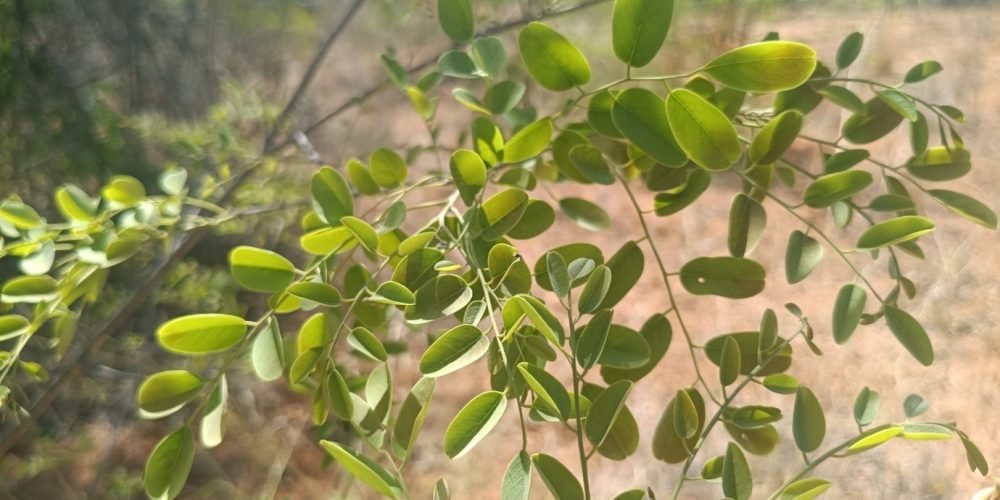
This photograph was taken in the Polytechnic plantation area, featuring a tree identified as Dalbergia Paniculata Roxb. Its currently accepted name is Dalbergia lanceolaria subsp. paniculata (Roxb.) Thoth., belonging to the Fabaceae family and the Dalbergia genus, and it is commonly known as Dobin or Dobaen.
As a perennial tree, Dalbergia Paniculata generally grows in dry tropical and seasonal regions. Its leaves are alternate and pinnately compound, while its flowers are small and usually pale or whitish in colour. The fruits are flat, winged, non-splitting pods—a characteristic feature shared by many species of Dalbergia—and the seeds are generally flat and kidney-shaped.
Naturally found across parts of the Indian subcontinent and Indochina, its distribution spans India, Nepal, Bangladesh, Myanmar, Thailand, Laos, Cambodia, and Vietnam. The wood of Dalbergia Paniculata is used for various practical purposes, and the species is also reported to possess medicinal value.
Beyond its practical applications, this tree plays a vital role in supporting local biodiversity. Its flowers provide food and essential resources for insects, including bees and other pollinators, while the tree itself offers shelter and habitat for insects, birds, and other small organisms. Like many plants associated with nitrogen-fixing bacteria, it contributes to soil fertility.
Furthermore, as a woody perennial, it aids in carbon sequestration by absorbing carbon dioxide from the atmosphere and storing carbon in its wood and other parts, ultimately contributing to climate regulation.
Ultimately, Dalbergia Paniculata stands as a valuable and ecologically significant tree within the Polytechnic plantation area. Protecting and planting native trees such as this can actively keep our environment healthy, support biodiversity, and conserve plant diversity.
In short: “Plant Trees. Protect Nature. Preserve Biodiversity”
