

Category: Carbon Neutrality
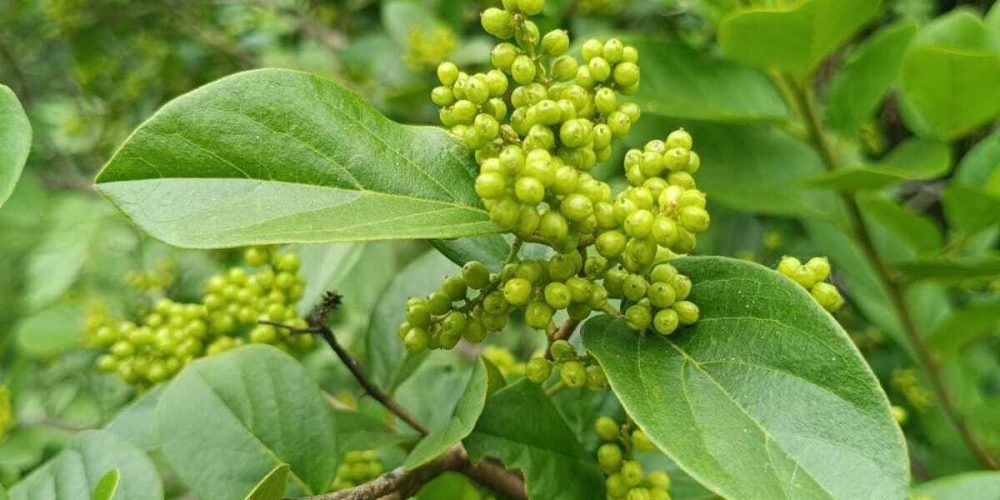
The Ramco Nursery has initiated the propagation of Antidesma ghaesembilla, a lesser-known native species valued for its ecological importance, attractive fruits, and pollinator-friendly flowers.
Nursery staff first observed the species at the botanical garden area of Auroville Botanical Gardens, where the plant stood out for its beautiful flowering clusters and soft fragrance that attracted large numbers of bees and other pollinators. The fruits, known for their pleasant sweet-and-sour taste, also drew attention for their traditional food uses.
Saplings procured from Auroville were subsequently planted behind Ramco Polytechnic College. Over time, the plants adapted well to the local conditions and began producing fruits. Seeds collected from these plants are now being propagated at the Ramco Nursery as part of an ongoing effort to conserve and promote native biodiversity.
Belonging to the Phyllanthaceae family, Antidesma ghaesembilla is a small tree or shrub that can grow between 2 and 15 metres in height. The species is naturally distributed across India, Sri Lanka, Southeast Asia, and Australia, and is commonly seen along moist forests, riverbanks, and tropical forest edges.
The plant bears small berries that ripen from green to red and eventually dark purple or black. Apart from being edible, the fruits are traditionally used in jams, juices, and local food preparations. In traditional medicine, different parts of the plant have also been used for treating fever, skin ailments, diarrhea, and wounds.
Through its propagation initiative, the Ramco Nursery aims to encourage the cultivation of native and ecologically beneficial plant species, contributing to environmental awareness and long-term green conservation efforts in the region.
